
I’m not exactly a follow-the-trend kind of person, so not surprisingly, it took chef and media personality Mike Colameco from The Bite, an interstitial mini-program on CreateTV, to clue me in on a skincare trend that’s been going on since about 2023.

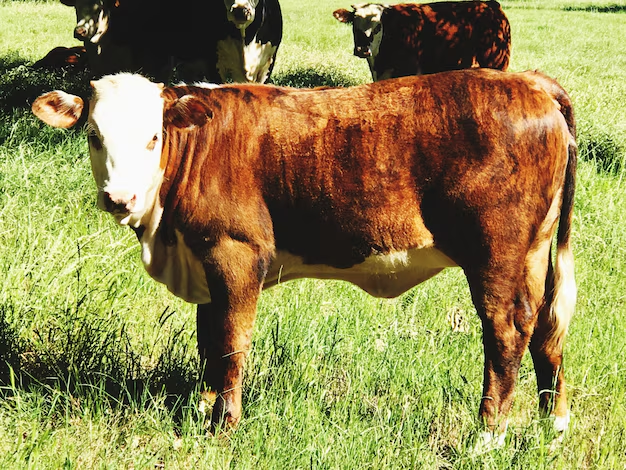
Beef tallow skincare products are made from the suet around the loins and kidneys of cows.
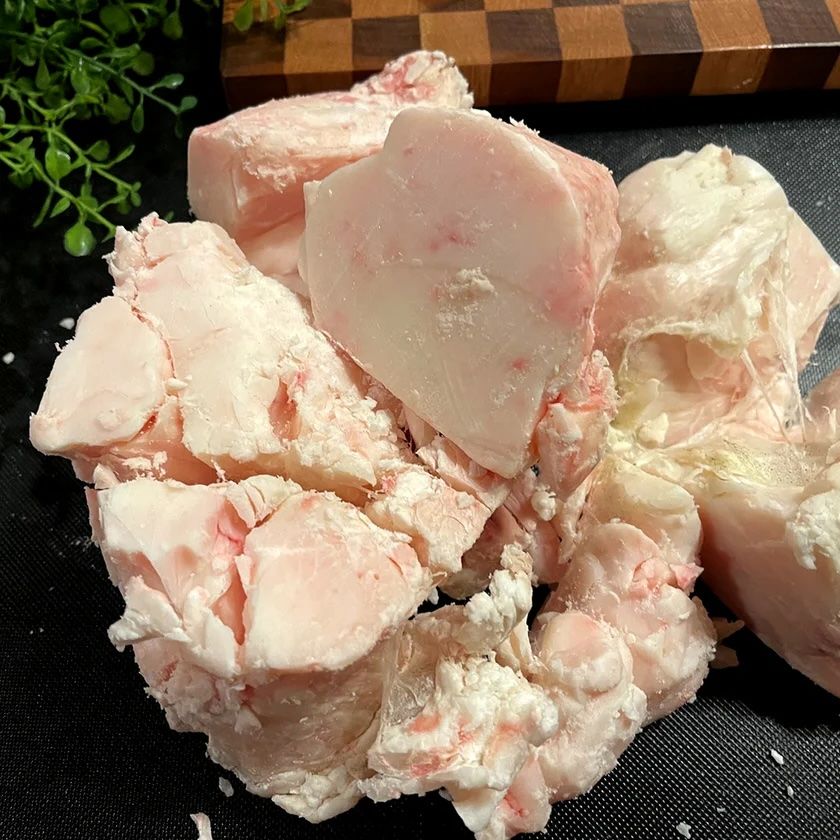
Using suet is certainly not an entirely new thing. In fact, making homemade soap and candles from the by-products of cows used primarily for their meat and milk has been going on for centuries. I just hadn’t heard about making moisturizers, serums and sunscreens from tallow. Now I have.
Though I am not, at the present time, vegan, although with bird flu that has now jumped to dairy cows and a new strain has infected beef cattle, I could become one, pronto. At any rate, I limit my beef intake, and in all honesty, putting skincare products on my face made from beef tallow makes me feel a little sick primarily from the potential smell.
Nevertheless, it’s a thing. Especially, from what I can tell, among Millennials and GenZ.
Because I haven’t tried any of the beef tallow products myself, I have been looking into online sources. There’s lots of self-reports and discussions on Reddit, there are reviews on YouTube and TikTok, and a few blogposts from bloggers who have tried some beef tallow skincare products for anywhere from a week to a month.
Some Actual Scientific Research
I also read a research study synthesis published on the NIH website (somehow it still exists though currently it appears that the new administration has frozen the funding for the National Institutes of Health, bad idea). The NIH article went through the literature and ultimately reported on 19 studies. It’s helpful to have some knowledge of chemistry, but as a former physiological psychologist years ago, I could at least follow some of the findings from the original, primarily animal-based studies. Key takeaways were related to the composition of animal tallow:
- Tallow is rich in triglycerides, specifically oleic acid, palmitic acid, stearic acid, and linoleic acid related to hydration, penetration, building blocks of the skin’s barrier, and keeping moisture in the skin
- Tallow also contains essential vitamins, such as vitamins A, D, K, E, and B12
- Tallow is “biocompatible” with skin and is very similar to skin in terms of its composition
- Tallow appears to be able to cross the skin’s barrier and penetrate the deeper layers of skin
Some of the studies tested tallow used alone, while others looked at tallow combined with oils, water, or other ingredients such as orange fiber. One of the issues raised from some of the studies was toxicity due to glyphosates, the herbicide that is used on many factory farms and on some of our lawns and gardens to kill weeds. Glyphosates were found in not only in animal tallow but also in some fish like sunfish. Glyphosates can cause skin and eye irritation if animal tallow is used in skincare products. Good to know. At any rate, the literature synthesis suggested that there may be evidence to support benefits to the skin in terms of hydration as well as therapeutic effects such as wound-healing and ameliorating the effects of atopic dermatitis. However, few of the research studies were done with human subjects, so that is a problem about making any definitive statements about either effectiveness or sensitivity at this point.
However, one benefit raised in the synthesis article is the ability of animal tallow to cross the skin’s barrier allowing it to penetrate more deeply into the layers of the skin. Mixing tallow with other ingredients particularly oils such as linseed oil, hemp seed oil or pumpkin seed oil to create emulsions seemed to be a promising way forward in terms of research studies to monitor tallow’s effectiveness levels.
My Initial Thoughts
So, I personally would not run out and buy pure beef tallow to apply to my face, although there are plenty of folks online who can teach you how to render tallow at home!
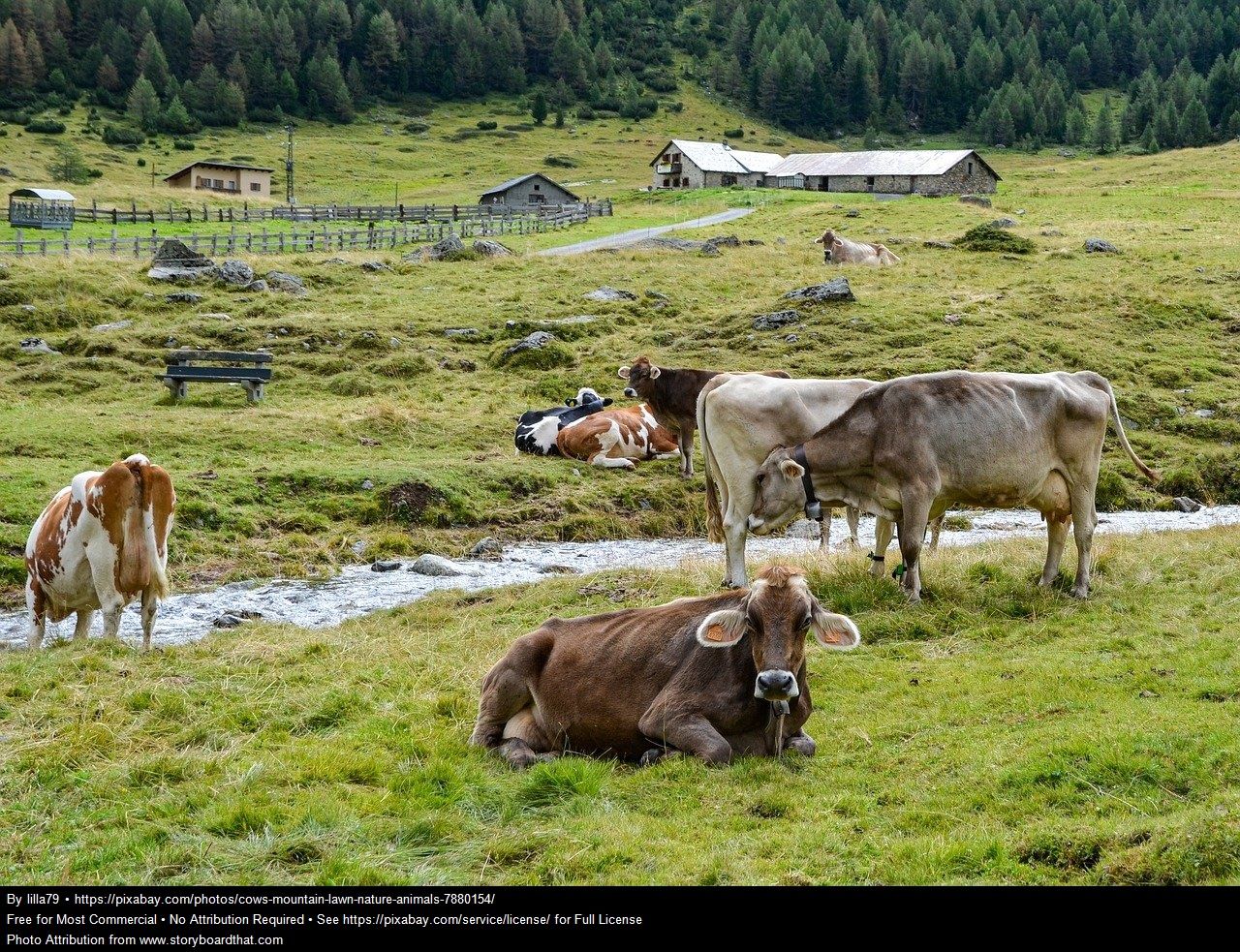
But if I did want to try tallow as skincare, I would be concerned about the origin of the beef tallow. For example, I would want to avoid using a product made with random beef tallow, since it is technically a waste by-product from cattle. I would want to know if the animal was pasture-raised on an organic farm rather than merely “grass-fed”, since many cows are fed grass at some point in their lives that could be treated with glyphosates to kill weeds either in the grass or surrounding crops. I would look for products that use beef tallow as an ingredient rather than the entire product, since there is at least some evidence that it could be more effective at hydration as an emulsion.
Tallow Skincare Products to Checkout
If trying 100% beef tallow is something that you’re curious about, check out Summer Solace skincare products. Their beef tallow comes from an organic farm using eco-friendly, regenerative agricultural methods located 30 miles from Summer Solace’s location in Oakland CA. Their hand-poured tallow is not whipped (they are concerned about introducing air and bacteria through whipping? Once you open the jar, air and bacteria are introduced!). It comes in unscented as well as scented with natural essential oils. There are a few other brands that sell 100% beef tallow from regenerative farms including Rep Provisions in Colorado that sell bison tallow products.
Most likely, I will try tallow soap first (once it’s back in stock at Summer Solace) since that seems like a relatively easy way to try out tallow. Plus, the tallow in the soap is mixed with EVOO!
If you have tried skincare products made from or with beef tallow, please weigh in and tell me/us about your experiences. I am genuinely interested and curious!